Who Is Liable in a Texas Pedestrian Accident? Driver, City, or Business?
When a pedestrian is struck by a vehicle in Texas, determining liability can be complex, often involving multiple parties, including drivers, municipalities, and local businesses. A pedestrian injury attorney in Texas understands that these cases require careful investigation to identify all potentially responsible parties and secure maximum compensation for victims. With pedestrian fatalities reaching concerning levels across the state, understanding liability becomes crucial for both prevention and legal recourse.
Texas pedestrian accident cases can involve intricate legal considerations, from driver negligence and municipal road maintenance failures to business property hazards. This comprehensive guide will examine how liability is determined, what factors courts consider, and when you might need professional legal representation to protect your rights and secure fair compensation.
Understanding pedestrian accident liability in Texas
Texas follows a modified comparative fault system for personal injury cases, including pedestrian accidents. This means liability can be shared among multiple parties, and compensation is reduced by each party’s percentage of fault. If a pedestrian is found to be less than 51% at fault, they can still recover damages from other responsible parties.
The key to a successful pedestrian injury attorney lies in proving negligence. This requires demonstrating that the responsible party had a duty of care, breached that duty, and directly caused the pedestrian’s injuries. A pedestrian accident lawyer will investigate all potential sources of liability to build the strongest possible case.
Multiple parties can share responsibility in a single pedestrian accident. For example, a driver might be speeding while the city failed to maintain proper crosswalk signals, and a nearby business might have obstructed visibility with improperly placed signage. Each contributing factor must be carefully evaluated to determine liability percentages.
Driver liability in pedestrian accidents
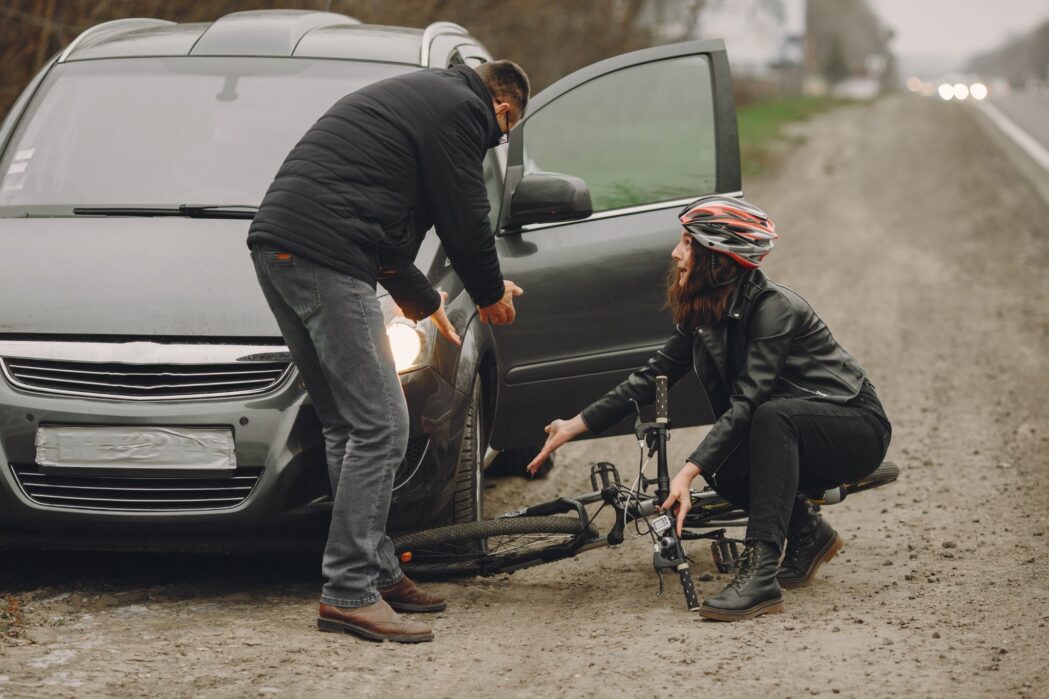
Drivers bear primary responsibility for pedestrian safety and must exercise reasonable care when operating their vehicles. Common forms of driver negligence include speeding, distracted driving, failing to yield at crosswalks, and driving under the influence. These violations of traffic laws create strong foundations for liability claims.
Texas Transportation Code requires drivers to yield to pedestrians in crosswalks and exercise due care to avoid striking pedestrians anywhere on the roadway. When drivers violate these statutory duties, they become liable for resulting injuries and damages.
Proving driver negligence
Evidence of driver negligence may include traffic citations, witness testimony, surveillance footage, and accident reconstruction analysis. Cell phone records can reveal distracted driving, while toxicology reports may show impairment. A pedestrian injury attorney in Texas will gather comprehensive evidence to establish driver fault.
Insurance companies often attempt to shift blame to pedestrians, making a thorough investigation crucial. Professional legal representation ensures that all evidence is properly collected and preserved before insurance adjusters can manipulate the narrative.
Municipal and city liability
Cities and municipalities can face liability when dangerous road conditions contribute to pedestrian accidents. This includes inadequate lighting, missing or malfunctioning traffic signals, poorly designed intersections, and failure to maintain crosswalks. However, proving municipal liability requires overcoming governmental immunity protections.
Under Texas law, municipalities waive immunity for injuries arising from the use or operation of motor-driven vehicles and equipment. This creates potential liability when city vehicles are involved or when the city’s road maintenance activities create hazardous conditions.
| Municipal Liability Factor | Examples | Legal Standard |
| Road Design Defects | Blind curves, inadequate sight distances, and dangerous intersections | Substantial defect creating unreasonable risk |
| Maintenance Failures | Broken streetlights, faded crosswalk markings, damaged signals | Actual or constructive notice of hazard |
| Traffic Control Issues | Missing stop signs, improper signal timing, inadequate signage | Violation of applicable traffic engineering standards |
Overcoming governmental immunity
Texas Tort Claims Act provides limited waivers of governmental immunity, but specific conditions must be met. The dangerous condition must have been known or should have been discovered through reasonable inspection. Additionally, the municipality must have had a reasonable time to correct the hazard.
Documenting prior complaints, maintenance records, and similar accidents helps establish municipal knowledge of dangerous conditions. Expert testimony from traffic engineers and accident reconstruction specialists often proves essential in these complex cases.
Business and property owner liability
Private businesses and property owners can share liability when their actions or negligence contribute to pedestrian accidents. This includes inadequate lighting in parking areas, obstructed sightlines, improperly maintained walkways, and hazardous parking lot designs.
Premises liability law requires property owners to maintain reasonably safe conditions for pedestrians. When businesses create or fail to address hazards that contribute to vehicle-pedestrian collisions, they may face liability alongside other responsible parties.
Common business liability scenarios
Shopping centers and retail establishments frequently face liability claims when their property design or maintenance failures contribute to pedestrian accidents. Poor lighting in parking lots reduces visibility for both drivers and pedestrians, creating dangerous conditions, especially during evening hours.
Restaurants and bars may face additional liability when over-serving alcohol leads to impaired driving accidents involving pedestrians. Texas Dram Shop laws hold establishments accountable when they serve obviously intoxicated customers who subsequently cause accidents.
Factors that determine liability
Courts consider multiple factors when determining liability in Texas pedestrian accidents. Key elements include weather conditions, time of day, location of the accident, pedestrian and driver actions, and compliance with traffic laws. Each factor can shift liability percentages among the involved parties.
Pedestrian behavior also affects liability determinations. Jaywalking, walking while intoxicated, or wearing dark clothing at night can reduce compensation under comparative fault rules. However, even when pedestrians contribute to accidents, other parties may still bear significant responsibility.
Evidence collection and preservation
Successful liability claims depend on comprehensive evidence collection. This includes photographs of the accident scene, witness statements, police reports, medical records, and expert analysis. Time-sensitive evidence, such as surveillance footage, must be preserved promptly before it’s deleted or overwritten.
A pedestrian accident lawyer understands the importance of immediate evidence preservation and has the resources to conduct thorough investigations. Professional legal representation ensures that all potential sources of liability are identified and properly documented.
Recent changes in Texas pedestrian safety laws
Texas has implemented several pedestrian safety initiatives in recent years, including enhanced penalties for drivers who fail to yield to pedestrians and expanded liability for certain types of accidents. These changes reflect growing recognition of pedestrian vulnerability and the need for stronger legal protections.
Updated traffic engineering standards also affect liability determinations, as courts increasingly expect municipalities to follow current best practices for pedestrian safety infrastructure. Failure to meet modern standards can strengthen liability claims against cities and counties.
When to contact a pedestrian injury attorney
Complex liability scenarios require professional legal expertise to navigate successfully. Parker Law Firm Injury Lawyers has extensive experience handling multi-party pedestrian accident cases and understands how to identify all potential sources of compensation. Insurance companies often try to minimize payouts by shifting blame, making experienced representation crucial.
Early legal involvement allows for proper evidence preservation and prevents insurance companies from controlling the narrative. A pedestrian injury attorney in Texas can immediately begin investigating your case and protecting your rights while you focus on recovery.
Time limitations apply to personal injury claims in Texas, making prompt action essential. The two-year statute of limitations can be shortened in cases involving governmental entities, requiring even faster response times to preserve your legal rights.
Conclusion
Determining liability in Texas pedestrian accidents requires careful analysis of driver conduct, municipal responsibilities, and business negligence. Understanding that multiple parties can share fault helps victims pursue maximum compensation for their injuries. Key takeaways include:
If you’ve been injured in a pedestrian accident, don’t let insurance companies minimize your claim or shift blame unfairly. Parker Law Firm Injury Lawyers can investigate all potential liability sources and fight for the compensation you deserve. Contact us today for a comprehensive evaluation of your case and protection of your legal rights.
Frequently asked questions
Can a pedestrian still recover damages if they were partially at fault for the accident?
Yes, under Texas’s modified comparative fault system, pedestrians can recover damages as long as they are less than 51% at fault for the accident. However, their compensation will be reduced by their percentage of fault. A pedestrian injury attorney in Texas can help minimize your fault percentage and maximize your recovery.
How long do I have to file a pedestrian accident claim in Texas?
Generally, you have two years from the date of the accident to file a personal injury lawsuit in Texas. However, claims against governmental entities may have shorter deadlines, sometimes as brief as six months. It’s crucial to contact a pedestrian accident lawyer immediately to ensure you don’t miss critical deadlines.
What if the driver who hit me doesn’t have insurance?
If the at-fault driver is uninsured, you may still have options for compensation through your own uninsured motorist coverage, claims against other liable parties like municipalities or businesses, or pursuing the driver’s personal assets. An experienced attorney can explore all available avenues for recovery.
Can I sue the city if poor road conditions contributed to my pedestrian accident?
Yes, municipalities can be held liable for pedestrian accidents when dangerous road conditions contribute to the incident. However, you must overcome governmental immunity protections and prove the city had notice of the hazardous condition and a reasonable time to fix it.
What damages can I recover in a Texas pedestrian accident case?
You may recover compensation for medical expenses, lost wages, pain and suffering, disability, disfigurement, and other economic and non-economic damages. In cases involving gross negligence or intentional conduct, punitive damages may also be available.