Driving Without Insurance in Texas: Penalties and What You Need to Know
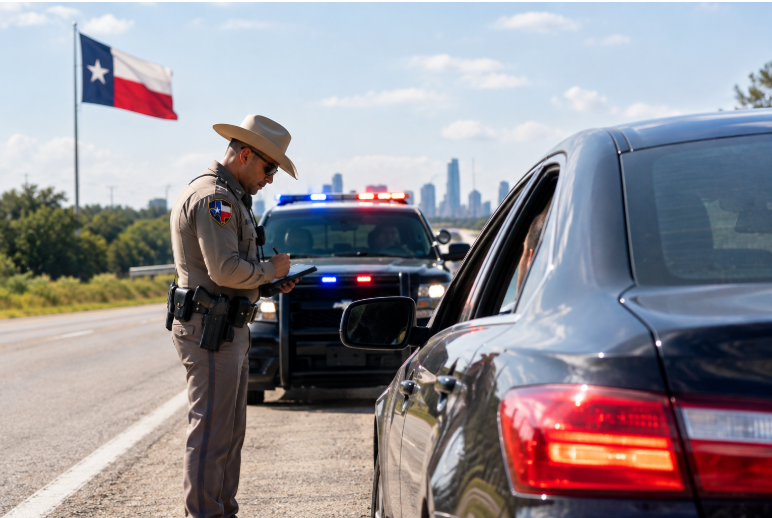
Driving without insurance in Texas can create serious legal and financial problems. Texas law requires most drivers to maintain minimum liability coverage or otherwise meet the state’s financial responsibility requirements. If you are caught driving without required coverage, you could face fines and other penalties. The consequences can become even more complicated if you are involved in a car accident.
If you were injured in a crash involving an uninsured driver, you may also have questions about who will pay for your medical bills, lost income, vehicle damage, and other losses.
This guide explains the penalties for driving without insurance in Texas and what to do after an accident involving an uninsured or underinsured driver.
What Are the Insurance Requirements in Texas?
Texas requires most drivers to demonstrate financial responsibility when operating a motor vehicle. One common way to meet this requirement is by carrying automobile liability insurance.
Texas’s minimum liability coverage is commonly known as 30/60/25 coverage, which generally means:
- $30,000 for bodily injury or death of one person in an accident
- $60,000 for bodily injury or death of two or more people in an accident
- $25,000 for property damage in an accident
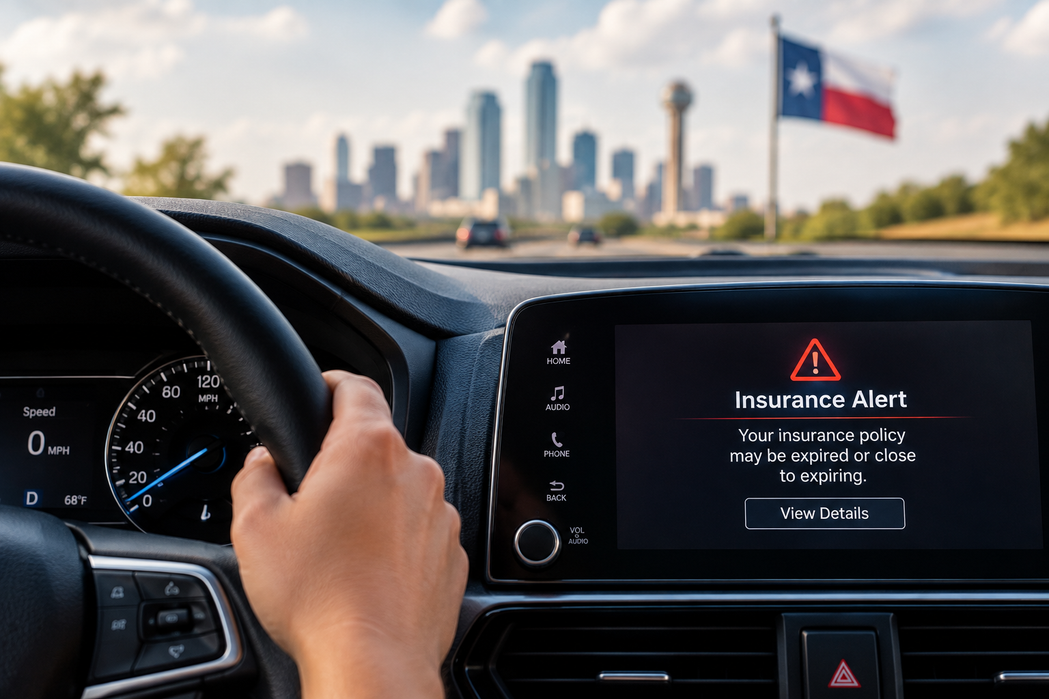
Texas also uses the TexasSure insurance verification system to help confirm whether registered vehicles have the required insurance coverage.
A lapse in coverage can create problems even if you have not been involved in an accident. If you are stopped by law enforcement and cannot provide proof of financial responsibility, you may face penalties.
What Are the Penalties for Driving Without Insurance in Texas?
The penalties depend on your circumstances and whether you have previous uninsured-driving violations.
First Offense
A first offense for driving without required insurance can result in a fine of $175 to $350. Additional financial consequences may also apply following a conviction.
If you actually had valid insurance coverage at the time you were stopped but could not provide proof, documentation of that coverage may help resolve the situation.
It is important not to assume that every situation is treated the same way. Your specific circumstances and the documentation available can affect how the matter is handled.
Second and Subsequent Offenses
Repeat violations can result in significantly higher fines, potentially ranging from $350 to $1,000.
Depending on the circumstances, additional consequences may include issues with your driver’s license or vehicle registration, as well as requirements to prove future financial responsibility.
In some situations, an uninsured vehicle may also be impounded, creating additional towing and storage expenses.
Because repeat offenses can carry more serious consequences, it is important to understand your legal obligations rather than simply treating an insurance violation as a minor traffic matter.
What Happens If You Cause a Car Accident Without Insurance?
The consequences can become much more serious when an uninsured driver causes a collision.
Texas generally follows a fault-based system for car accident claims. This means the person responsible for causing the accident may be financially responsible for the damages resulting from the crash.
If you caused an accident while uninsured, there may be no liability insurance company available to handle covered claims on your behalf. You could potentially be held personally responsible for losses such as:
- Medical expenses
- Lost wages
- Property damage
- Other accident-related damages
An injured person may pursue compensation directly from the at-fault driver, depending on the circumstances of the case.
This is one reason driving without insurance can create financial consequences that extend well beyond a traffic citation.
What If an Uninsured Driver Causes Your Accident?
Being involved in a crash with an uninsured driver can be frustrating, especially when you are already dealing with injuries, medical appointments, vehicle repairs, and lost income.
However, the fact that the other driver does not have insurance does not necessarily mean you have no options.
Depending on your insurance policy and the facts of the accident, you may have potential avenues for seeking compensation. For example, uninsured motorist coverage may provide benefits when an at-fault driver lacks liability insurance.
Your first steps after the accident should include:
- Seek medical attention for any injuries, even if symptoms initially appear minor.
- Report the accident as required and obtain a copy of the accident report when available.
- Document the scene, including vehicle damage, road conditions, visible injuries, and other relevant evidence.
- Keep records of your losses, including medical bills, repair estimates, receipts, and missed work.
- Review your insurance policy to determine whether uninsured or underinsured motorist coverage may apply.
- Be careful when discussing fault or accepting a settlement before you understand the full extent of your losses.
If the crash happened in Fort Worth, speaking with a car accident lawyer in Fort Worth can help you understand how Texas law and your insurance coverage may apply to your particular situation.
Can You Still Recover Compensation If the Other Driver Has No Insurance?
Potentially, yes. An uninsured driver does not automatically eliminate every possible source of compensation.
The answer depends on several factors, including who caused the accident, the insurance policies involved, the available evidence, and the types of damages you suffered.
For example, if you have uninsured motorist coverage, your policy may provide compensation after a crash caused by an uninsured driver. However, coverage terms and eligibility can vary, so it is important to review the specific policy and circumstances.
You may also have a claim directly against the at-fault driver. Whether pursuing that claim is practical depends on factors such as the driver’s financial resources and the amount of your damages.
A car accident lawyer in Texas can review the circumstances of your collision and explain the potential options available to you.
What If You Were Also Partially at Fault?
Texas uses comparative responsibility rules in personal injury cases. This means the question of fault can become important when determining whether and how much compensation may be available.
If more than one person contributed to an accident, the percentage of responsibility assigned to each party can affect the amount ultimately recoverable.
For that reason, it is important to preserve evidence that may help establish what happened. Photos, witness information, accident reports, medical records, vehicle damage, and other documentation can all be relevant when investigating a collision.
Can You Be Exempt From Texas Insurance Requirements?
Texas law provides certain circumstances in which different financial responsibility rules may apply to particular vehicles or situations.
For example, some specialized vehicles may be treated differently under state law. There can also be situations where a driver can demonstrate that valid insurance existed at the time of a citation.
Because insurance requirements and available defenses depend on the specific circumstances, do not assume that an exemption applies to you without confirming the applicable requirements.
What Should You Do After an Accident With an Uninsured Driver?
If an uninsured driver was involved in your accident, focus first on your health and safety. Once immediate concerns are addressed, take steps to protect evidence and understand your potential insurance and legal options.
Start by getting appropriate medical care and following your healthcare provider’s recommendations. Keep documentation related to your treatment and expenses.
You should also notify your insurance company about the accident and provide the information it requests. However, avoid making assumptions about the value of your claim before you know the full extent of your injuries and losses.
If the accident caused significant injuries, disputed liability, or substantial financial losses, consider discussing the circumstances with an experienced attorney before making decisions about a settlement or claim.
When Should You Talk to a Car Accident Lawyer?
Not every minor accident requires legal representation. However, legal guidance may be particularly helpful when an accident involves serious injuries, an uninsured or underinsured driver, disputed fault, significant medical expenses, or questions about insurance coverage.
An attorney can investigate the circumstances of the crash, review available insurance coverage, identify potentially responsible parties, and help you understand your options for pursuing compensation.
If you were injured in an accident in Fort Worth, a car accident lawyer in Fort Worth can help you evaluate your situation based on the facts of your case.
If your accident occurred elsewhere in the state, a car accident lawyer in Texas may also be able to explain the applicable legal process and potential next steps.
Contact Parker Law Firm Injury Lawyers
Driving without insurance in Texas can lead to fines and other consequences, while an accident involving an uninsured driver can create additional financial and legal challenges. Understanding your insurance coverage and legal options can help you make informed decisions after a collision.
If you were injured in a crash involving an uninsured or underinsured driver, Parker Law Firm Injury Lawyers can discuss your situation and help you understand your potential options.
Contact us today to schedule a free consultation.
Frequently Asked Questions
1. Is driving without insurance illegal in Texas?
Yes. Texas generally requires drivers to maintain financial responsibility when operating a motor vehicle. Driving without the required coverage can result in penalties.
2. What happens if I get into an accident without insurance in Texas?
You may face penalties for driving without insurance and could also be personally responsible for damages if you caused the accident. The specific consequences depend on the circumstances.
3. Can I recover compensation if an uninsured driver caused my accident?
You may have options depending on the circumstances, including potential coverage under an uninsured motorist policy or a claim against the at-fault driver.
4. What should I do after being hit by an uninsured driver?
Seek medical attention, report the accident as appropriate, document the crash and your losses, notify your insurance company, and consider obtaining legal guidance if the accident resulted in significant injuries or damages.
5. Should I hire a car accident lawyer after a crash with an uninsured driver?
Legal advice may be helpful if you suffered significant injuries, have substantial damages, are dealing with an insurance dispute, or are unsure how to pursue compensation after the accident.